
Gait & Running Analysis
Improve the way you move. Using a combination of technology and physiotherapy expertise, we assess your walking and running patterns to identify imbalances, prevent injuries, and optimise performance.
What Is Gait Analysis?
Gait analysis is the systematic study of how you walk or run. Using video, motion sensors, or pressure-sensitive technology, we assess your movement patterns — looking closely at posture, stride, joint mobility, foot strike, balance, and symmetry.
This information allows us to identify biomechanical inefficiencies, compensations, or abnormalities that could be causing pain, reducing performance, or increasing your injury risk.

Request a callback from our PT

What can I expect?
Here’s what a typical gait analysis session involves:
- Initial Consultation
We begin with a discussion of your goals, history of pain or injury, and activity level. - Movement Assessment
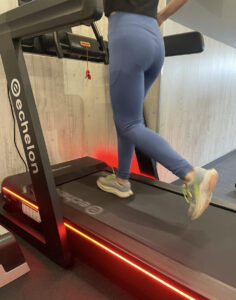
You’ll be observed walking and/or running — often on a treadmill or walkway. We may use video analysis, pressure mats, or motion sensors to capture data. - Biomechanical Review
Our physiotherapists analyse your movement, identifying patterns such as overpronation, asymmetry, or joint restrictions. - Feedback & Recommendations
You’ll receive a detailed explanation of your gait, with personalised advice on exercises, footwear, orthotics (if needed), or training modifications. - Treatment or Training Plan (Optional) If ongoing physio is required, we’ll build a plan to support you, whether that’s rehab, mobility training, or performance optimisation
Benefits of Gait Analysis
A gait analysis helps:
- Identify the root cause of pain or injury
- Prevent future injuries by correcting imbalances
- Improve posture, efficiency, and performance
- Support fall prevention in older adults
- Guide orthotic prescriptions or footwear choices
- Enhance athletic performance with better technique